

World ( The cow news digital ) The Khyber Pakhtunkhwa Assembly has introduced a comprehensive new law aimed at curbing begging and dismantling organized begging networks across the province.
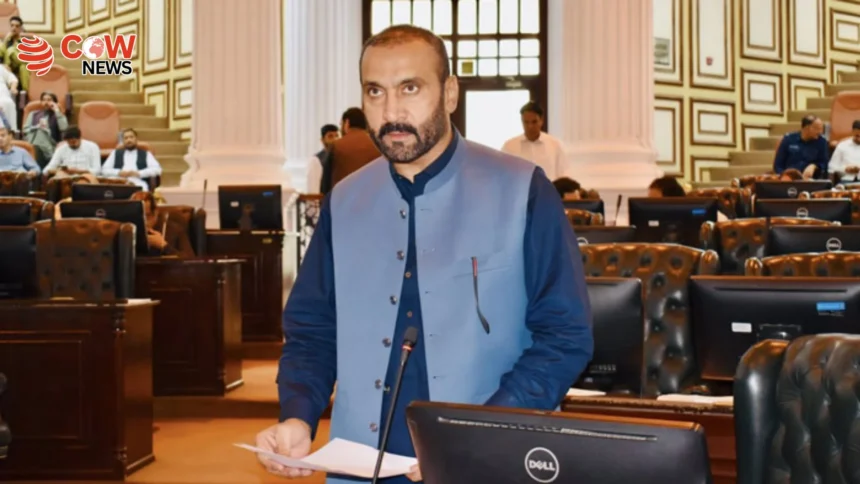
The proposed legislation, titled the Vagrancy Act 2026, was presented during a session chaired by Acting Speaker Idris Khattak, which began after a two-hour delay. Provincial Law Minister Aftab Alam formally tabled the bill in the house.
According to the draft law, strict penalties will be imposed on individuals involved in begging in public spaces. For first-time offenders, authorities may issue a warning or impose up to one month of imprisonment. Repeat offenders could face up to one year in jail.
The bill introduces harsher punishment for deceptive begging practices, prescribing up to two years of imprisonment. Individuals operating as part of organized begging groups may face up to three years in prison.
A significant provision of the legislation targets child exploitation. Those found forcing or using children for begging could be fined up to 400,000 rupees, in addition to legal action under relevant child protection laws.
To ensure enforcement, the bill proposes the formation of a provincial steering committee. This body will be empowered to recommend blocking national identity cards and passports of repeat offenders. It will also oversee policy implementation and coordinate with law enforcement and social welfare departments.
Under the proposed framework, police and social welfare officials will be authorized to arrest suspects without warrants. However, arrested individuals must be presented before a special magistrate within 24 hours to ensure judicial oversight.
The bill also allows courts to send offenders to rehabilitation centers instead of prisons. These centers will focus on vocational training, psychological counseling, and reintegration programs aimed at addressing the root causes of begging.
Additionally, a dedicated Vagrancy Control Fund will be established, financed through fines and donations, to support rehabilitation efforts and administrative operations.
READ MORE
- Pakistan, Taliban, and Afghanistan: The Complex Triangle of Influence
- Imran Khan and the Politics of Idolization
Children rescued from begging will be transferred to child protection units, while non-resident beggars may be repatriated to their areas of origin.
The legislation further introduces biometric monitoring and declares begging in public places a punishable offense. Authorities say a review committee will evaluate the implementation of the law every three months to ensure effectiveness and transparency.