

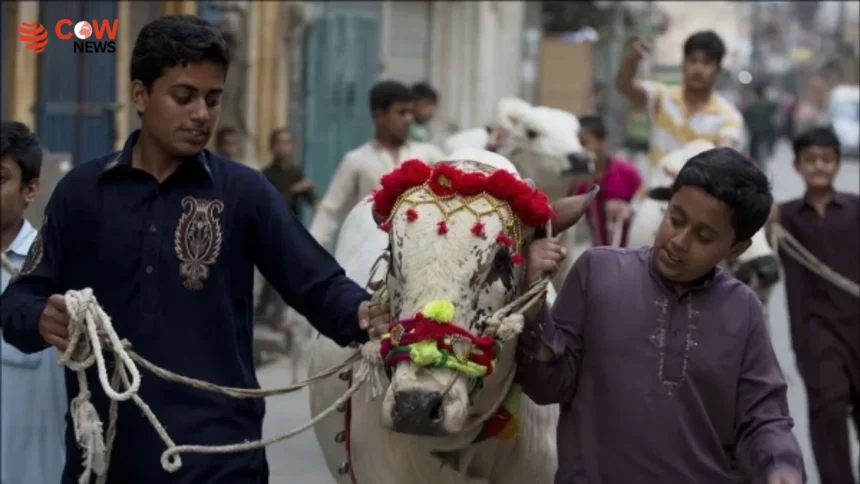
World ( The cow news digital ) Eid-ul-Adha is a time of sacrifice, gratitude, and celebration, but it also brings significant hygiene challenges due to the handling of animal sacrifice remains. Without proper cleaning and precautionary measures, homes and surrounding areas can quickly become breeding grounds for bacteria, flies, and foul odors, especially during hot weather.
Health experts warn that improper disposal of animal waste and blood can lead to the rapid spread of infections. Warm temperatures combined with organic waste create ideal conditions for microbial growth, increasing the risk of diseases if cleanliness is neglected.
One of the most important steps after sacrifice is the immediate and proper disposal of offal and waste materials. Experts recommend sealing all remains in strong plastic bags and transporting them to designated disposal sites as quickly as possible. Leaving waste exposed for long periods attracts flies, which can contaminate food and household surfaces.
Cleaning blood stains promptly is also essential. Specialists advise washing affected areas with water first, followed by disinfectants such as phenyl or bleach solutions to ensure complete removal of germs and odor. Simply rinsing with water is not enough to eliminate harmful bacteria.
During Eid days, household waste should be disposed of more frequently than usual. Leftover meat, fat, and bones should not be stored in open bins for long periods, as they can quickly produce strong odors. Using covered trash bins helps prevent insects from spreading contamination throughout the home.
Proper hygiene of kitchen tools is equally important. Knives, cutting boards, sinks, and other utensils used during meat preparation should be thoroughly washed with hot water and soap. Experts emphasize frequent handwashing after handling raw meat to prevent cross-contamination.
Storage of meat also plays a critical role in maintaining safety. Fresh meat should be refrigerated or frozen as soon as possible. Leaving it at room temperature for extended periods allows bacteria to multiply rapidly, increasing the risk of foodborne illnesses.
To reduce unpleasant smells, natural air fresheners such as lemon, vinegar, baking soda, or incense can be used. Keeping windows open improves ventilation and helps eliminate lingering odors.
Read More
Health professionals also recommend using gloves and masks while cleaning, especially for individuals with allergies, asthma, or skin sensitivities. Children should be kept away from waste disposal areas to avoid exposure to germs.
Maintaining cleanliness after Eid-ul-Adha is not only a matter of hygiene but also a shared responsibility. Proper sanitation ensures a healthier environment and allows families and communities to fully enjoy the spirit of the festival without health risks.