

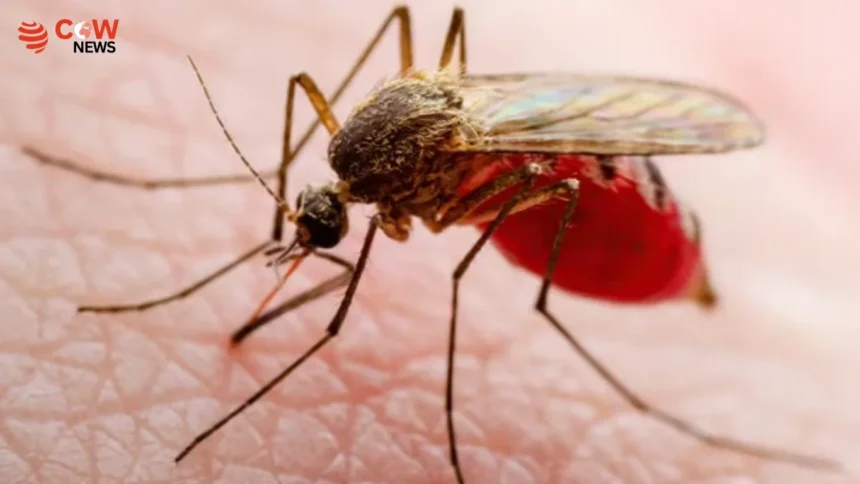
World ( The cow news digital ) Technology company Google is preparing for an ambitious public health experiment in the United States, planning to release millions of laboratory-bred mosquitoes in Florida as part of a scientific effort aimed at reducing the spread of mosquito-borne diseases.
According to reports, the initiative involves releasing approximately 32 million mosquitoes infected with a specific strain of bacteria known as Wolbachia pipientis. Scientists believe this bacteria can interfere with mosquito reproduction and help suppress population growth over time, potentially reducing the transmission of diseases such as dengue, Zika, and other vector-borne illnesses.
The project is being carried out under Google’s long-running but lesser-known program called “Debug,” which combines expertise in software engineering, biology, robotics, and artificial intelligence to address global health challenges. The program focuses on developing innovative biological control methods, including large-scale mosquito breeding systems and advanced release technologies.
As part of regulatory filings submitted to U.S. authorities, the first phase of the project is expected to involve the release of around 16 million sterilized male mosquitoes in both Florida and California. These mosquitoes are laboratory-reared and designed to carry controlled biological modifications that limit their ability to reproduce in the wild.
A second phase, if approved, would introduce an additional 16 million mosquitoes, bringing the total to approximately 32 million over a two-year period. However, officials have not yet disclosed the exact locations within Florida or the specific timeline for the releases.
Researchers involved in the project argue that scaling up mosquito-based interventions is essential to controlling diseases that continue to affect millions of people globally. They acknowledge, however, that breeding mosquitoes in sufficient numbers for population control is technically challenging, requiring highly controlled laboratory conditions and advanced automation systems.
The initiative has attracted attention due to its unusual nature, but experts say such biological control methods are already being tested in various forms worldwide. The use of Wolbachia-infected mosquitoes has previously shown promising results in reducing disease transmission in several pilot programs.
Read more
- Trump Hopes Iran Talks Succeed, Warns Against Midnight Hammer
- Pakistan, Taliban, and Afghanistan: The Complex Triangle of Influence
Despite public curiosity, the company emphasizes that the project is experimental and closely regulated under federal guidelines. Environmental and health agencies are expected to monitor the outcomes carefully to assess both effectiveness and ecological impact.
As discussions continue, the project represents a growing intersection between biotechnology and artificial intelligence in tackling global health threats, signaling a new era of tech-driven disease prevention strategies.