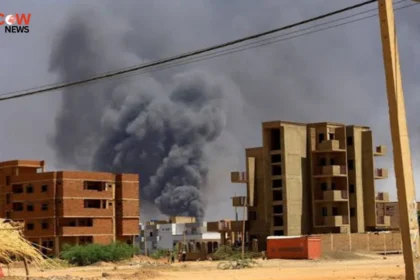


Washington(The COW News Digital)The United Nations has identified the militant group Al-Shabaab as the most significant security threat to Somalia and the wider region. Despite continuous counterterrorism operations by Somali and international forces, experts warn that the group’s capability to carry out complex and unconventional attacks remains undiminished.
According to UN reports and global media sources, Al-Shabaab’s threat is not limited to battlefield operations. The group continues to pose dangers through organized extortion networks, forced recruitment, and a highly effective propaganda machinery. Notably, the group attempted to assassinate Somalia’s president in Mogadishu on March 18, underscoring its ability to strike high-profile targets in the capital.
Read More:
- Asia Cup 2025 Super Four Tickets at Shocking Prices
- Late-Night Dinners Linked to Higher Blood Sugar Risk
The UN’s assessment comes amid the Security Council’s recent unanimous approval to extend the mandate of the African Union’s “Support and Stability” force in Somalia until December 31, 2026. This force, comprising 11,826 personnel, including 680 police officers, plays a critical role in countering Al-Shabaab’s activities and stabilizing the country.
Experts also highlight the threat posed by Al-Shabaab to neighboring Kenya. The group has carried out a range of attacks, from improvised explosive devices targeting security personnel to assaults on infrastructure, kidnappings, raids on homes, and livestock theft. Over the past year, Al-Shabaab has averaged six attacks per month in Kenya, primarily in the northeastern Mandera and Lamu regions, which border Somalia.
While international and Somali forces have made some progress in limiting the group’s operations, analysts caution that Al-Shabaab’s resilience, decentralized networks, and ability to exploit ungoverned areas continue to present major challenges. The group’s propaganda and recruitment campaigns further extend its influence, affecting communities both inside Somalia and across the region.
The UN and African Union emphasize the need for sustained international cooperation, intelligence-sharing, and local engagement to prevent the group from regaining territory or strengthening its operational capacity. Authorities continue to urge citizens to remain vigilant and report suspicious activities to mitigate the threat posed by the group.
As Somalia grapples with ongoing insecurity, experts warn that the combination of political instability, weak governance, and persistent militant activity creates a volatile environment that could affect regional peace and security.