
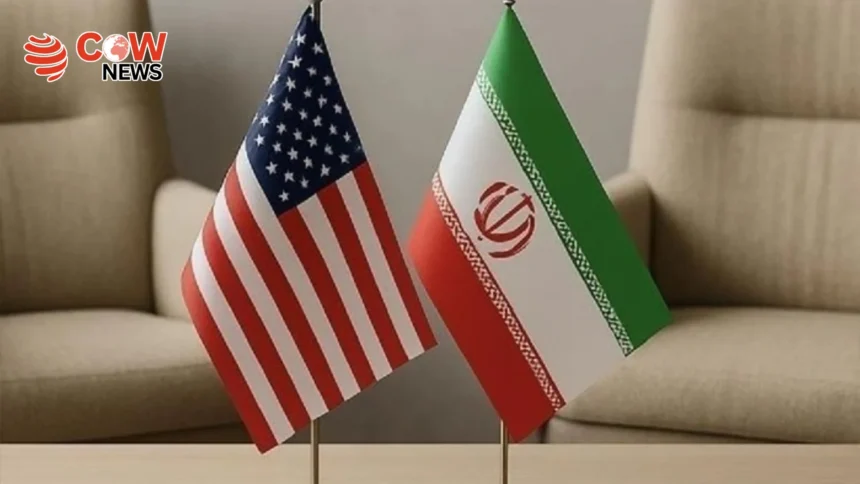
Muscat(The COW News Digital) After days of speculation, officials from both Iran and the United States have confirmed that the next round of nuclear negotiations will proceed as scheduled in Muscat, Oman, on Friday at 10 a.m.
Iranian Foreign Minister Abbas Araghchi took to social media to officially announce the meeting, thanking Omani authorities for facilitating the necessary arrangements. “The nuclear talks with the United States will take place on Friday morning at 10 a.m. in Muscat. We are grateful to our Omani brothers for all the necessary arrangements,” he wrote.
Two senior U.S. officials also confirmed to American media outlets that the talks will indeed take place in Muscat, putting an end to widespread speculation about possible delays or cancellations.
Initially, the negotiations were scheduled to be held in Istanbul, Turkey, but Iran requested the venue be moved to Oman. Along with the change of location, Iran has reportedly requested that regional partners not be included and that discussions remain strictly limited to nuclear issues. Details regarding whether these conditions were fully accepted by the U.S. side have not yet been disclosed.
Read More:
- Trump Hopes Iran Talks Succeed, Warns Against Midnight Hammer
- From Silence to Power: Pakistan’s Decision That Shook World Cricket
The Muscat talks are part of ongoing efforts to resolve outstanding disputes over Iran’s nuclear program, which has been a source of international tension for years. Analysts view these negotiations as a critical step in preventing further escalation and ensuring compliance with international agreements.
Oman’s role as a neutral facilitator highlights its growing importance in mediating complex Middle Eastern diplomatic efforts. The country has previously hosted successful dialogue sessions between the U.S. and Iran, earning a reputation as a trusted intermediary capable of bridging differences between the two nations.
Experts caution that while the meeting is scheduled, the outcome remains uncertain. Both sides are expected to address contentious points, including uranium enrichment levels, inspection protocols, and sanctions relief. Limiting the talks to nuclear issues may help streamline negotiations, but it also excludes broader regional security concerns that have historically influenced the discussions.
Observers emphasize that confirmation of the Muscat venue and timing is a positive sign for diplomacy, signaling that both Washington and Tehran remain committed to dialogue despite previous uncertainties.
The international community will be closely watching the outcome, as successful negotiations could ease tensions in the region, impact global energy markets, and influence broader geopolitical alignments in the Middle East.