
Washington(The COW News Digital)The United States has announced a reward of $10 million for information leading to key Iranian figures, including the country’s Supreme Leader Khamenei, marking a significant escalation in Washington’s intelligence and diplomatic efforts. The announcement was made through the U.S. Department of State’s Rewards for Justice initiative, which seeks actionable intelligence on high-level targets linked to threats against U.S. interests.
The list of individuals for whom information is being sought includes ten prominent Iranian officials. Alongside Supreme Leader Khamenei, the U.S. is seeking information on Intelligence Minister Esmail Khatib, Deputy Chief of Staff Ali Asghar Hejazi, Major General Yahya Rahim Safavi, Brigadier General Eskandar Mo’meni, and Supreme Council Secretary Ali Larijani, among others.
According to U.S. officials, the program aims to collect credible intelligence that could prevent further hostile actions from Iran and strengthen global security. The initiative reflects the United States’ strategic approach to counter perceived threats through both intelligence gathering and targeted diplomatic pressure.
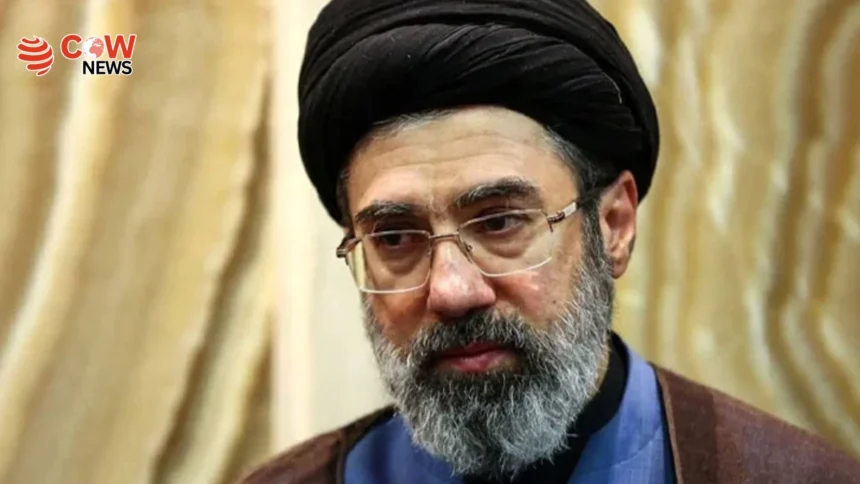
Meanwhile, U.S. Secretary of Defense Pete Hegseth claimed that Iran’s new Supreme Leader, Mujtaba Khamenei, has reportedly been injured, adding that a recent statement issued from Tehran appeared weak and lacked authority. These developments come amid heightened tensions following recent Iranian attacks in the region, which have prompted global concern over security and stability.
Analysts say the reward program not only serves as an intelligence tool but also sends a strong signal to Iran and its leadership regarding U.S. resolve. By publicly offering a substantial monetary incentive, Washington seeks to encourage whistleblowers, defectors, or anyone with knowledge of high-level Iranian operations to come forward.
The announcement also coincides with broader international responses, including actions by European allies. For instance, Italy recently made a strategic decision to recall troops following regional hostilities, highlighting the widespread impact of escalating tensions in the Middle East.
Observers note that targeting high-ranking officials through information incentives is a rare but increasingly utilized tactic in modern international security strategy, reflecting the complex dynamics between the United States and Iran.