
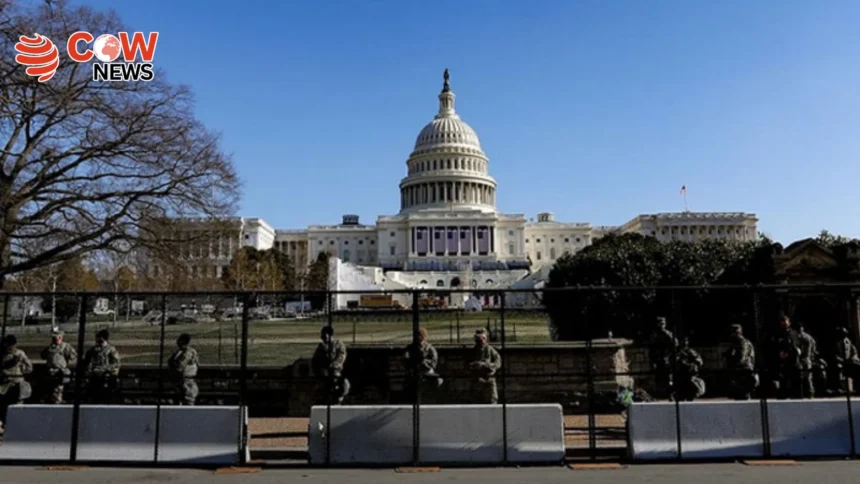
Washington(The COW News Digital) The United States Senate has approved a resolution for debate aimed at blocking further military action by President Donald Trump in Venezuela without congressional authorization, marking a significant challenge to the White House’s foreign policy approach.
The resolution was cleared for debate after a narrow vote of 52 in favor and 47 against. Notably, five members of Trump’s own Republican Party voted alongside Democrats to support the motion, while one Republican senator abstained. The outcome highlights growing unease within Congress over the scope of presidential war powers and the possibility of deeper US military involvement in Venezuela.
The measure seeks to reaffirm Congress’s constitutional authority over decisions related to war and military operations. If ultimately passed, it would require President Trump to seek formal approval from Congress before initiating any additional military action in Venezuela.
Read More:
- UK and France Agree on Troop Deployment for Ukraine
- US Navy Seizes Russian Vessel Evading Venezuela Blockade
- White House Says Military Option Open for Greenland
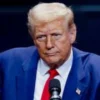
President Trump reacted sharply to the vote, criticizing Republican senators who supported the resolution. In a statement following the vote, he said those members should not be re-elected, accusing them of undermining national security and party unity.
According to US media reports, the approval of the resolution for debate means that Trump would face legal and political constraints on launching further military operations in Venezuela without legislative consent. Lawmakers backing the resolution argue that unchecked executive action risks dragging the United States into prolonged conflict without proper oversight.
Supporters of the resolution emphasized that it does not prevent defensive actions but aims to stop offensive military operations unless Congress explicitly authorizes them. They stressed that the Constitution grants Congress the power to declare war and that this authority must be upheld regardless of which party controls the White House.
The vote follows Trump’s recent assertion that no new legislation was required to deploy US forces to Venezuela. That claim drew criticism from lawmakers who argued that such a stance weakens democratic checks and balances.
Last year, two similar attempts to advance resolutions limiting military action against Venezuela were blocked by the Republican leadership in the Senate. This time, however, shifting political dynamics and rising concerns over regional instability appear to have altered the balance.
Analysts say the Senate vote reflects broader anxiety in Washington over escalating tensions in Latin America and the potential consequences of military intervention. Venezuela’s ongoing political and economic crisis has long been a point of contention in US foreign policy debates.
The resolution’s progress signals that Congress is increasingly willing to assert its role in foreign policy decisions, setting the stage for a heated debate over executive power, military authority, and America’s approach toward Venezuela in the coming weeks.