
ISLAMABAD(The COW News Digital) A noticeable shift in the United States’ defense and strategic outlook under President Donald Trump is being viewed in Pakistan as a quiet but significant diplomatic gain, easing some of Islamabad’s long-standing foreign policy pressures.
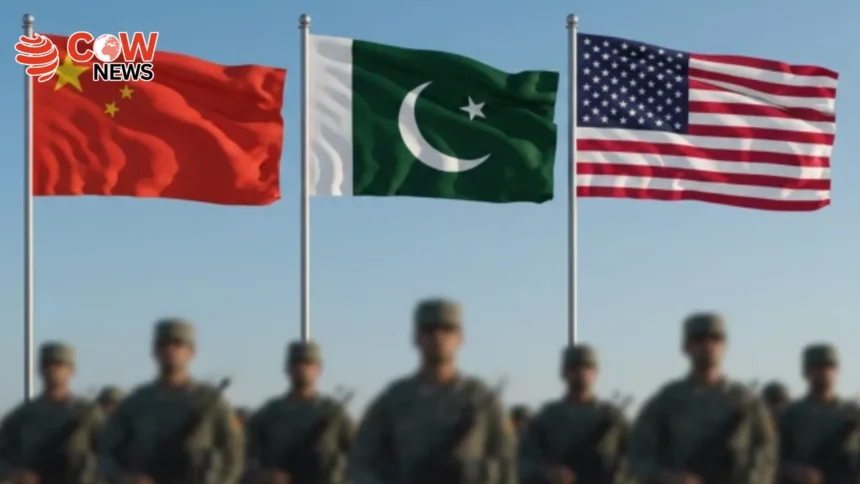
One year after Trump’s return to the White House, Pakistan appears to be among the countries benefiting from changes outlined in the newly released US National Defense Strategy 2026. The document signals a departure from Washington’s decades-old posture, particularly in how it frames global rivalries and strategic priorities.
Pakistani officials and strategic analysts say the revised approach has reduced diplomatic strain for Islamabad, especially at a time when many had feared renewed marginalization under Trump’s revived “America First” doctrine. Those concerns, however, have not materialized in the way initially expected.
Over the past year, Pakistan has witnessed an improvement in engagement with the Trump administration, while signs of tension have emerged in US-India relations. Observers believe the evolving dynamics have given Islamabad valuable strategic breathing space, allowing it to recalibrate its foreign policy without being caught in rigid great-power rivalries.
A key element of the new defense strategy is Washington’s softened language on China. In contrast to the 2022 National Defense Strategy, which labeled China as America’s foremost strategic competitor, the 2026 document avoids portraying Beijing as an existential threat. This recalibration is being closely watched in Islamabad, given Pakistan’s deep economic and strategic ties with China.
The strategy explicitly states that the United States is not seeking to dominate, humiliate, or economically suffocate China. Instead, it emphasizes preventing any single power — including China — from dominating the US or its allies. The document stresses deterrence through strength rather than confrontation, signaling a preference for managed competition over open conflict.
US officials also noted that Washington seeks a “reasonable peace” built on terms favorable to American interests but acceptable to China as well. This approach, analysts say, reduces the likelihood of forced alignment for countries like Pakistan, which have traditionally sought balanced relations with both Washington and Beijing.
For Pakistan, the shift lowers the risk of being pressured to choose sides in an intensifying US-China rivalry. Diplomats believe this environment allows Islamabad greater flexibility in pursuing economic recovery, regional stability, and constructive ties with major powers.
While challenges remain in Pakistan-US relations, analysts agree that the revised American defense posture represents a subtle but important strategic opening for Islamabad in an increasingly complex global landscape.