
World ( The cow news digital ) Fresh tensions have emerged in the Strait of Hormuz after reports of an attack on an oil tanker triggered conflicting accounts from Iran and the United States, raising new concerns over maritime security in one of the world’s most strategically important shipping lanes.
According to Iran’s state broadcaster IRIB, citing unnamed sources, the vessel was allegedly attempting to transit the Strait of Hormuz via Oman’s waters with the support of the US Navy. The report claimed the tanker received multiple warnings before it was targeted for failing to comply with instructions. However, the broadcaster acknowledged that no Iranian government official has formally confirmed or denied the incident.
Iran has long maintained that vessels using the southern navigation channel near Oman should coordinate with Iranian naval authorities before passing through the waterway. The latest claims come against the backdrop of heightened regional tensions and increased military activity across the Gulf.
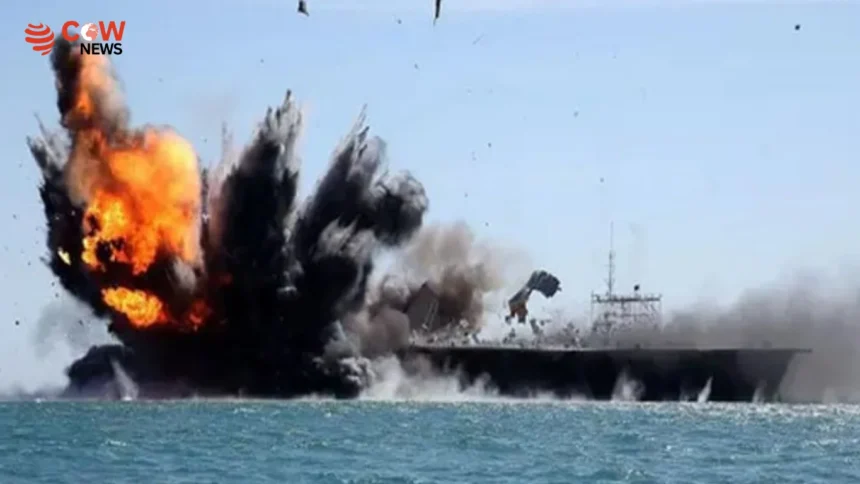
Meanwhile, US officials have presented a sharply different account. According to Axios, citing two American officials, Iranian forces allegedly launched at least two missile-like projectiles at commercial vessels transiting the Strait of Hormuz. One oil tanker reportedly caught fire following the strike, while another commercial ship also sustained significant damage.
US officials said there were no immediate reports of casualties despite the damage caused to both vessels. They described the attack as a serious escalation that could further threaten freedom of navigation and commercial shipping in the region.
At present, neither account has been independently verified by international monitoring agencies or maritime authorities. Iran has also not issued an official response to the allegations made by US officials, leaving several key questions unanswered.
The Strait of Hormuz remains one of the world’s busiest energy corridors, carrying a substantial share of global crude oil exports each day. Any disruption to shipping through the narrow waterway has the potential to affect international energy markets, insurance costs, and global supply chains.
Security analysts warn that without independent verification, competing narratives from both sides are likely to fuel uncertainty and diplomatic friction. The incident is expected to draw close attention from regional governments, shipping companies, and international observers as they monitor developments and assess the potential impact on maritime trade and regional stability.
Investigations and additional information are expected in the coming days as authorities work to establish the facts surrounding the reported attack.