


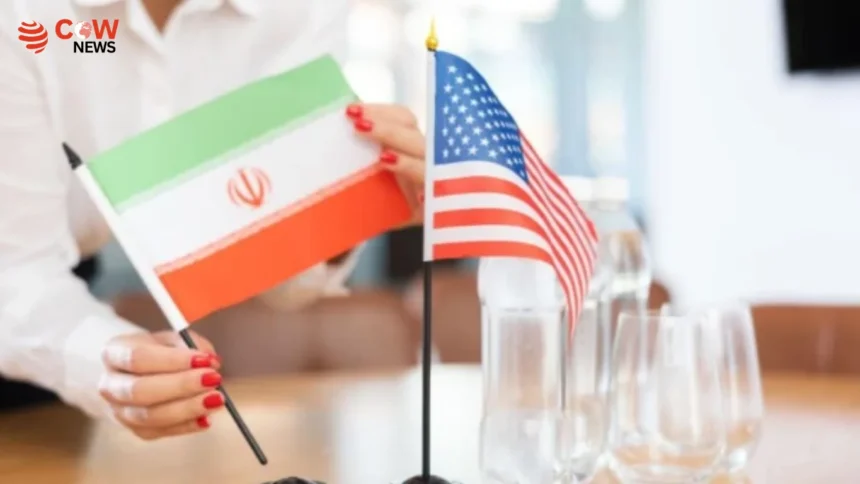
World (The Cow News Digital) reports indicate that Iranian media has claimed the United States might release up to $12 billion in frozen Iranian assets prior to the commencement of formal negotiations known as the iran and us talks. This release is part of a proposed 14-point memorandum currently under consideration, which aims to both improve relations and facilitate dialogue between the two nations. The idea of financial unfreezing as a precursor to negotiations highlights the complexities of diplomatic relations in the region and underscores the critical nature of financial agreements in international diplomacy.
As the iran and us talks develop, the implications for both nations could be profound.
The outcomes of the iran and us talks may redefine relationships in the region.
Many experts are optimistic about the potential outcomes of the iran and us talks.
The success of the iran and us talks could hinge on mutual concessions.
International observers are closely monitoring the iran and us talks for signs of progress.
Should agreements arise from the iran and us talks, it may alter the regional landscape.
Potential outcomes from the iran and us talks could have global ramifications.
Analysts anticipate that the iran and us talks may set a precedent for future negotiations.
The ongoing discussions around the iran and us talks are crucial for regional stability.
Participants in the iran and us talks are urged to remain open to constructive dialogue.
Increased public interest in the iran and us talks may influence diplomatic approaches.
The role of international players may significantly impact the iran and us talks.
A report published by Iran’s Mehr News Agency, subsequently cited by numerous international outlets, details a draft framework suggesting that Washington could gradually unfreeze approximately $24 billion in Iranian assets within a 60-day negotiation period. This timeline is designed not only to build mutual trust but also to advance diplomatic engagement leading up to the iran and us talks. The strategic release of funds may serve as a catalyst for further cooperation and discussion on pressing issues such as regional stability, trade relations, and the broader implications of US-Iran interactions.
As per the report, approximately half of the total amount—around $12 billion—could be released before the formal commencement of the iran and us talks. This initial release is viewed as a confidence-building measure to foster a more conducive environment for negotiations. Subsequent financial disbursements are expected to occur in stages, contingent upon measurable progress in negotiations between the two nations. Analysts suggest that this tiered approach to financial release may incentivise both sides to engage more earnestly in discussions and foster goodwill.
The purported document delineates a variety of broader discussions anticipated to take place during the negotiation process. Key topics include sanctions relief, enhanced economic cooperation, and critical issues surrounding Iran’s nuclear programme. The potential for these discussions to lead to tangible outcomes hinges on the willingness of both parties to engage in honest dialogue. However, it is essential to note that neither the United States nor Iran has officially confirmed the authenticity of the reported draft or the intricate details it purports to contain, leaving many observers cautious about the implications.
This development surfaces against a backdrop of ongoing diplomatic activity, particularly following recent announcements suggesting a potential agreement between Tehran and Washington. Both governments have acknowledged engagement at various levels, yet officials have refrained from publicly validating any financial arrangements regarding the frozen assets. This lack of confirmation fuels speculation and debate regarding the authenticity and practicality of the proposed agreement, highlighting the intricate interplay of diplomacy and public perception in international relations.
Analysts assert that if such provisions were to be formally agreed upon, they could signify a remarkable shift in US–Iran relations. This shift has the potential to alleviate long-standing economic pressures on Tehran while simultaneously creating pathways for broader diplomatic normalisation. The stakes are high, as the outcomes of these negotiations may extend beyond mere financial releases, potentially affecting geopolitical dynamics, trade agreements, and regional security frameworks.
However, experts caution that unverified reports circulating in regional media should be approached with care until confirmed through official channels. Past rounds of US–Iran negotiations have often been accompanied by speculation regarding asset releases and sanctions relief, much of which did not materialise in final agreements. The historical context of these negotiations plays a crucial role in shaping current expectations, reminding stakeholders of the complexities involved in international diplomacy.
Diplomatic observers maintain that any meaningful progress will depend heavily on verifiable commitments from both parties, particularly regarding nuclear oversight, regional security concerns, and the establishment of financial transparency mechanisms. The intricacies of these commitments will require comprehensive discussions and potentially significant compromises from both sides, reflecting the challenges embedded in forging lasting agreements in such a charged environment.
For now, the reported proposal remains unconfirmed, and both governments are anticipated to provide further clarity as negotiations progress in the coming weeks. The international community watches closely, understanding that the outcomes of these talks could influence not only US-Iran relations but also broader geopolitical stability in the Middle East.
Lastly, as the world observes the unfolding developments, the implications of the iran and us talks extend beyond mere financial transactions. The outcomes will likely resonate throughout international relations, influencing how nations engage with each other in an increasingly interconnected world. The dialogue between Iran and the US could set a precedent for future negotiations, demonstrating the potential for diplomacy to address long-standing issues.
Moreover, public opinion within both countries plays a vital role in shaping the landscape of negotiations. In Iran, citizens have long grappled with economic hardships resulting from sanctions, creating a desire for improved relations with the US. Conversely, in the United States, varying perspectives on Iran among the populace and policymakers can influence the direction of diplomatic initiatives. Understanding these domestic sentiments is crucial for both governments as they navigate the delicate terrain of negotiations.
Another significant aspect of these negotiations is the role of international allies and adversaries. Countries like China and Russia have vested interests in the region and may influence the dynamics of US–Iran talks. Their involvement could either facilitate constructive dialogue or complicate matters further, depending on geopolitical interests and existing alliances.
Furthermore, the prospect of economic collaboration could foster an environment where both nations might explore joint ventures in sectors like energy, technology, and infrastructure development. Such cooperation could yield benefits not just for Iran and the US, but also contribute to regional stability, as stronger economic ties often correlate with reduced tensions and increased dialogue.
In recent years, both nations have experienced fluctuations in their diplomatic relations. Historical context plays a crucial role in understanding the dynamics at play; since the 1979 Iranian Revolution, relations have been fraught with tension, leading to the establishment of a comprehensive sanctions regime. The potential thawing of relations and the release of financial assets could signal a new chapter in US–Iran diplomacy, offering opportunities for addressing mutual concerns such as trade, security, and regional conflicts.