
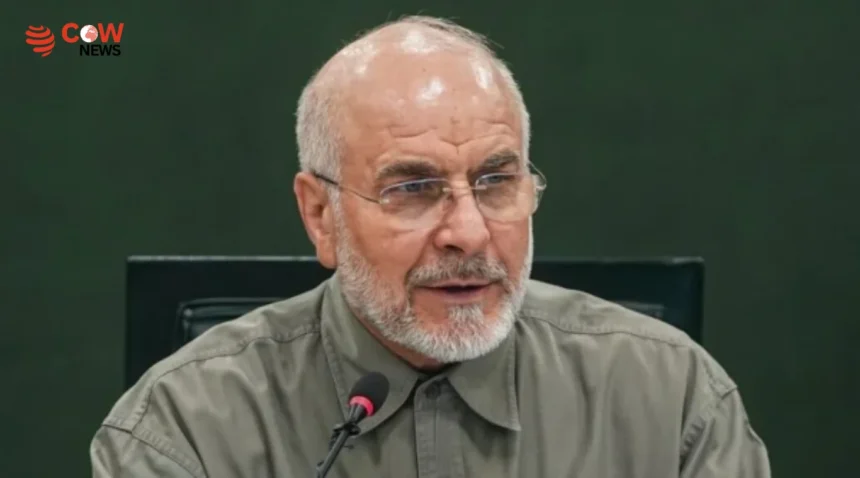
TEHRAN (The COW News Digital) Iran’s Parliament Speaker and chief negotiator Mohammad Bagher Ghalibaf has warned that regional infrastructure could face serious risks if Tehran’s security is not guaranteed, as diplomatic efforts continue to address tensions with the United States and the situation surrounding the Strait of Hormuz.
In remarks carried by Iranian state-linked media, Ghalibaf said Iran would not accept a situation in which it was prevented from selling its oil while other countries in the region continued their exports. He linked the issue of Iranian oil sales directly to the broader security situation in the region.
“If Iran cannot sell its oil, no one else will,” Ghalibaf said, adding that infrastructure across the region would not remain safe if Iran’s security was not assured. His comments represent Tehran’s latest warning amid continuing tensions over energy exports and maritime traffic through the Strait of Hormuz.
The remarks came as the reopening of the strategic waterway remained a central issue in indirect diplomatic contacts between Iran and the United States. The Strait of Hormuz is a major route for global energy shipments, making developments surrounding its operation closely watched by international energy markets.
Iranian Foreign Minister Abbas Araghchi has said Tehran’s decision to reopen the strait depends on the fulfilment of conditions presented by Iran. According to reports, Iran has been waiting for Washington’s definitive response to its latest proposals.
Qatar has been playing a mediation role in the latest diplomatic efforts. Araghchi said Iranian officials had discussed proposals with Qatari mediators, who were expected to take the ideas to the US side before conveying Washington’s response back to Tehran.
The latest diplomatic push follows Iran’s presentation of a seven-day proposal concerning the reopening of the Strait of Hormuz. Reuters reported that the proposal included measures related to ending hostilities, lifting sanctions and the naval blockade, releasing frozen Iranian assets and restoring maritime passage through the strategic waterway.
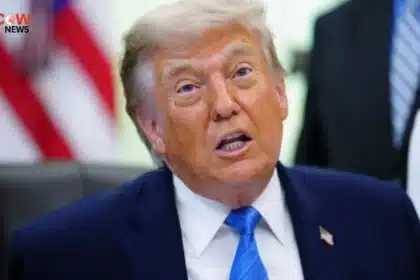
However, the positions of Tehran and Washington remain different on several key issues. US President Donald Trump has publicly rejected reports that Washington offered Iran sanctions relief or access to frozen funds in exchange for progress on its nuclear programme. At the same time, indirect contacts through mediators have continued.
The uncertainty has also affected global energy markets. Reuters reported on September 29 that oil prices rose amid continuing concerns about possible disruptions to Middle Eastern supplies, with Brent crude trading above $105 a barrel and West Texas Intermediate above $92.
Against this backdrop, Ghalibaf’s warning has added to concerns surrounding the security of energy infrastructure and international oil transportation. Meanwhile, diplomatic channels remain active, with Qatar continuing its mediation efforts as Iran and the United States seek a possible framework for reducing tensions and addressing the future of the Strait of Hormuz.