

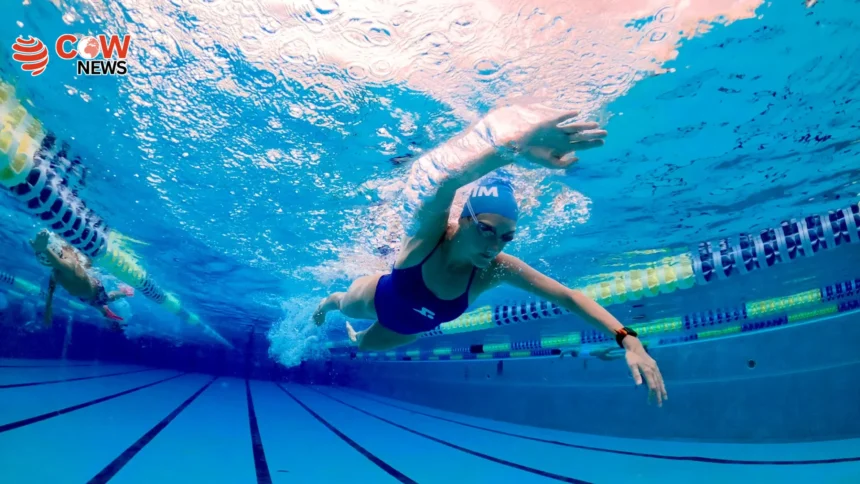
As temperatures continue to rise, large numbers of people are heading to swimming pools for relief from the heat. However, eye health experts are warning that swimming without proper precautions can lead to serious vision-related problems.
According to medical specialists, exposure to pool water containing chlorine and harmful microorganisms can cause redness, irritation, itching, and even infections in the eyes. While chlorine is commonly believed to be the main cause of eye irritation, recent medical observations suggest that an imbalance in the pool’s pH level may be a more significant factor.
Experts explain that when pool water becomes too acidic or chemically unbalanced, it can damage the eye’s natural protective tear film. This increases the risk of irritation and infection, making swimmers more vulnerable to eye-related complications.
Health professionals emphasize several preventive measures to reduce these risks. One of the most important recommendations is to take a shower before entering the pool. This helps remove oils, creams, and lotions from the skin and face. When such substances mix with chlorine, they can create chemical reactions that intensify eye irritation.
The use of properly fitted swimming goggles is also strongly advised. Goggles act as a protective barrier, preventing direct contact between pool water and the eyes. Anti-fog and anti-glare goggles are particularly useful, as they also improve underwater visibility.
Doctors further warn against wearing contact lenses while swimming. Water can trap bacteria under the lenses, potentially damaging the cornea and increasing the risk of serious eye infections. Instead, prescription swimming goggles are recommended for individuals who require vision correction.
Staying hydrated during swimming activities is also important, as dehydration can lead to dry eyes. Additionally, wearing UV-protective sunglasses after leaving the pool helps protect eyes from sunlight reflection and harmful ultraviolet rays.
After swimming, experts advise rinsing the eyes with clean, cool water to remove chlorine and other chemicals. If irritation persists, medical consultation and prescribed eye drops may be necessary. Individuals are also warned against rubbing their eyes, as this can cause scratches and worsen infections.
read more
- US Envoy Backs Israel’s Claim to Wider Middle East
- China Urges Global Support for Sustainable Sudan Solution
Children are considered particularly vulnerable due to their sensitive eyes. Parents are encouraged to ensure that children avoid opening their eyes underwater and consistently wear high-quality goggles while swimming.
Health professionals conclude that swimming remains a healthy and enjoyable activity, but maintaining proper eye safety measures is essential to prevent avoidable complications. With simple precautions, swimmers can enjoy the summer season without compromising their vision health.