

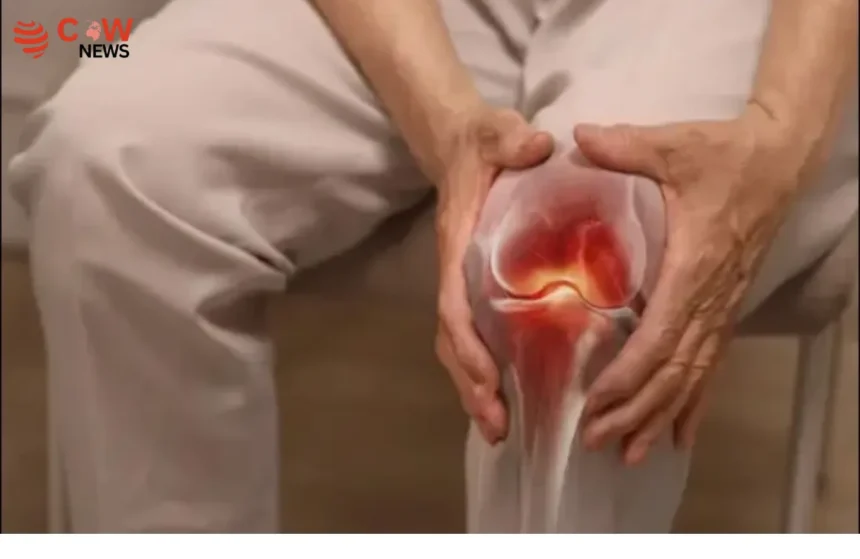
Islamabad (The COW News Digital) Joint pain and stiffness can become more noticeable during the winter months, particularly among people living with arthritis and other chronic joint conditions. As temperatures drop, discomfort in the knees, fingers, hips and other joints may make everyday activities, including walking and getting out of bed in the morning, increasingly difficult.
Medical experts explain that cold weather does not directly cause arthritis. However, changes in temperature and atmospheric pressure, combined with reduced physical activity, may aggravate existing joint symptoms and make stiffness more noticeable.
There are several practical ways to manage winter-related joint discomfort and maintain mobility during colder months.
Regular physical activity is one of the most effective ways to manage joint stiffness. Although exercising in cold weather can be challenging, prolonged inactivity may make symptoms worse.
Gentle stretching, indoor walking, chair yoga and low-impact exercises can help maintain joint flexibility and strengthen the surrounding muscles. Activities such as Tai Chi may also improve balance and mobility.
According to the US Centers for Disease Control and Prevention (CDC), regular physical activity can help people with arthritis reduce pain and maintain their ability to perform everyday activities.
Keeping the body warm during winter can help reduce discomfort and stiffness. Wearing thermal clothing, warm socks and gloves can be particularly helpful for people experiencing pain in their hands, fingers and knees.
Wearing several lightweight layers instead of one heavy garment can also help regulate body temperature. Maintaining a comfortable indoor temperature and using warm blankets may provide additional relief.
Applying gentle heat to affected areas can relax surrounding muscles and temporarily ease stiffness. However, heat should be applied carefully to avoid skin burns.
People with existing joint conditions may experience increased discomfort during colder weather. Doctors may recommend pain-relieving medications such as ibuprofen, naproxen or paracetamol (acetaminophen), depending on the patient’s medical history and condition.
Topical anti-inflammatory treatments, including diclofenac gel, may also help relieve pain in certain cases.
However, these medicines are not suitable for everyone. Anti-inflammatory drugs can carry risks, particularly for people with kidney disease, stomach ulcers, cardiovascular conditions or those taking certain medications.
Patients should consult a healthcare professional before starting painkillers or changing their existing treatment.
A balanced diet can support overall health and help people maintain a healthy body weight, reducing unnecessary pressure on weight-bearing joints.
Fruits, vegetables, whole grains, lentils, nuts, olive oil and oily fish are useful components of a nutritious diet. These foods provide essential vitamins, minerals, fibre and healthy fats that support general health.
An eating pattern rich in nutritious, minimally processed foods may also help support people living with inflammatory conditions such as rheumatoid arthritis.
However, dietary changes should complement, rather than replace, prescribed medical treatment.
Persistent joint pain should not automatically be attributed to cold weather. Medical assessment is advisable when discomfort continues, swelling develops or joint movement becomes increasingly difficult.
Sudden severe joint pain, redness, warmth and swelling, particularly when accompanied by fever, may indicate a joint infection and require urgent medical attention.
Maintaining regular physical activity, dressing appropriately, eating a balanced diet and following medical advice can help people manage joint discomfort and remain active throughout winter.