

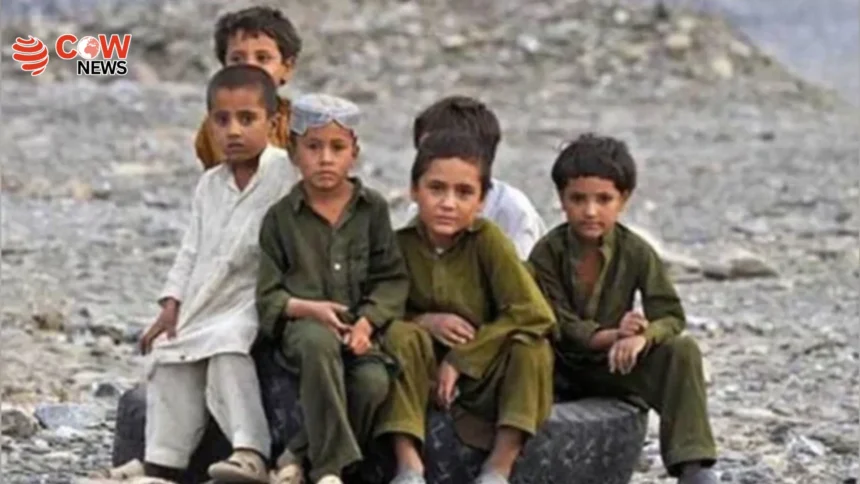
National ( The cow news digital ) Pakistan is facing a severe education crisis as more than 25 million children remain out of school, with the highest number reported in Punjab, according to government and international education assessments.
Reports from UNICEF and the Pakistan Institute of Education indicate that poverty, rising inflation, shortage of teachers, and lack of basic school facilities are the primary factors preventing children from accessing education. The situation is particularly alarming in rural and low-income areas, where families often struggle to afford schooling expenses.
Education experts say that in many villages, schools are either too far away or lack essential infrastructure, forcing children to travel long distances or drop out altogether. In some cases, schools operate with a single teacher responsible for multiple grades, severely affecting the quality of learning.
Former provincial education minister Imran Masood has highlighted that economic hardship is pushing parents to involve their children in labor instead of sending them to school. He stressed that without targeted reforms, the gap in literacy and education will continue to widen.
Parents in both rural and urban areas have expressed concern over the quality of public education, stating that declining standards in government schools discourage enrollment. On the other hand, private school fees in cities remain unaffordable for many middle- and lower-income families, creating a divide in access to quality education.
The Punjab government maintains that efforts are underway to reduce the number of out-of-school children through special enrollment campaigns and educational outreach programs. However, challenges such as teacher shortages and infrastructure gaps continue to slow progress.
Analysts warn that if the situation is not addressed urgently, Pakistan may face long-term socio-economic consequences, including reduced workforce productivity and increased inequality. They emphasize that improving access to education requires coordinated policy reforms, increased funding, and stronger monitoring systems.