
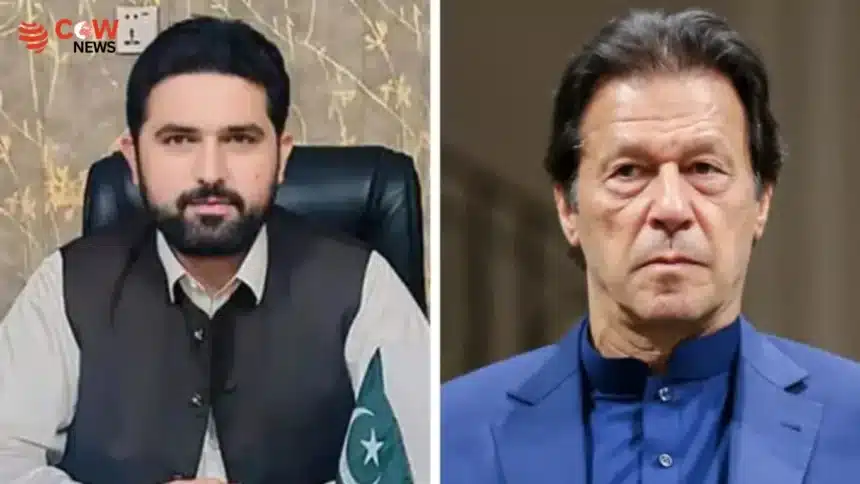
National ( The cow news digital ) Chief Minister of Khyber Pakhtunkhwa, Sohail Afridi, has approached the Islamabad High Court seeking permission to meet former Prime Minister Imran Khan in jail for consultations regarding the province’s upcoming budget for the next fiscal year.
According to the petition filed before the court, the chief minister argued that the provincial budget is a matter of significant constitutional, legal, and public importance, making direct consultation with the Pakistan Tehreek-e-Insaf (PTI) founder essential. Afridi requested the court to grant permission for a meeting on humanitarian and legal grounds to ensure that key policy decisions are finalized after due consultation.
The application states that the Khyber Pakhtunkhwa government has completed preparations for the upcoming budget and that final approval from Imran Khan is necessary before it is formally presented. The chief minister emphasized that the budget process requires timely consultation, given its impact on governance, development priorities, and public welfare across the province.
The development comes at a crucial time as provincial governments across Pakistan finalize their financial plans for the upcoming fiscal year. The Khyber Pakhtunkhwa administration has maintained that its leadership structure requires strategic input from the PTI founder, despite his ongoing incarceration.
Meanwhile, Khyber Pakhtunkhwa Finance Adviser Muzammil Aslam criticized the federal government’s development spending priorities. Speaking to the media, Aslam alleged that only six development projects from Khyber Pakhtunkhwa had been included in the federal development program.
He further claimed that the federal budget offers little support for the province and fails to address key infrastructure and economic needs. According to Aslam, the allocation pattern reflects an imbalance that could affect development initiatives and public service delivery in the province.
The court is expected to review the chief minister’s request in the coming days. The outcome of the petition could influence the provincial government’s budgetary process ahead of the formal budget presentation. Political observers are closely monitoring the case, as it highlights the continuing role of PTI leadership in provincial decision-making and the broader debate over federal-provincial resource distribution.