
Middle East ( the cow news digital ) Rising tensions in the Middle East following military confrontations involving Iran, United States, and Israel have reignited online discussions about a controversial prophecy attributed to the late Bulgarian mystic Baba Vanga.
The renewed debate emerged after reports of attacks and counterattacks in the region escalated tensions and raised fears of a broader conflict. As the situation intensified, many social media users began referencing predictions allegedly made by Baba Vanga regarding global events in 2026.
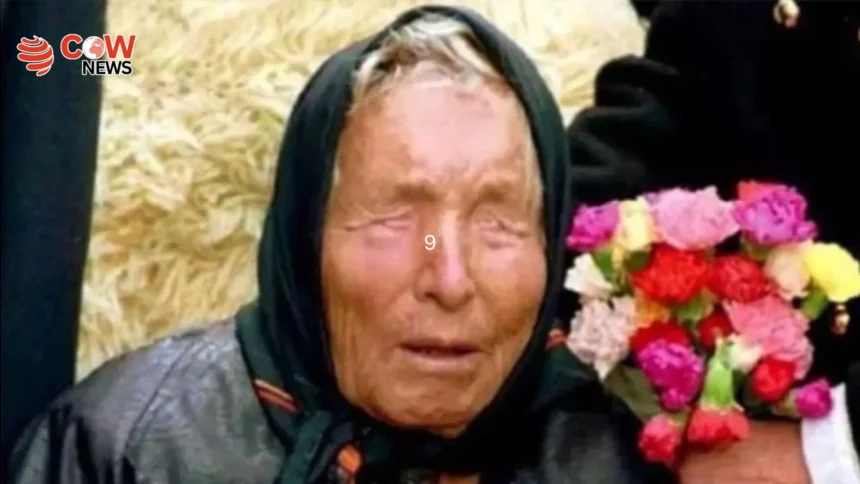
Baba Vanga, who was born in 1911 and lost her eyesight during childhood, became widely known for her supposed predictions about major historical events. Over the years, supporters have claimed that she foresaw several significant global incidents long before they occurred. Although many of these claims remain disputed or difficult to verify, her prophecies frequently resurface during times of international crisis.
According to interpretations circulating online, Baba Vanga had predicted that a “great war” would begin in the East around the mid-2020s. Some people now claim that the ongoing tensions in the Middle East could reflect the beginning of the conflict she described. These interpretations have led to widespread speculation across social media platforms.
Among the most widely discussed predictions attributed to Baba Vanga is the possibility of a third world war. According to those interpretations, such a conflict could severely impact Western regions of the world, particularly Europe, where the prophecy suggests widespread destruction and long-term instability.
read more
The same predictions also claim that Russia would eventually emerge as a dominant global power, potentially shaping a new international order. However, historians and analysts often caution against treating such prophecies as reliable forecasts, noting that many predictions attributed to Baba Vanga are vague or based on interpretations made long after her death.
Experts emphasize that global political and military developments should be analyzed through verified information and geopolitical analysis rather than prophetic claims. Nevertheless, during periods of uncertainty and conflict, such stories tend to capture public imagination and spread rapidly online.
Despite the ongoing debates, there is no confirmed evidence linking Baba Vanga’s predictions to current geopolitical events. Still, her prophecies continue to attract global attention, particularly whenever international tensions rise and speculation about future conflicts grows.