

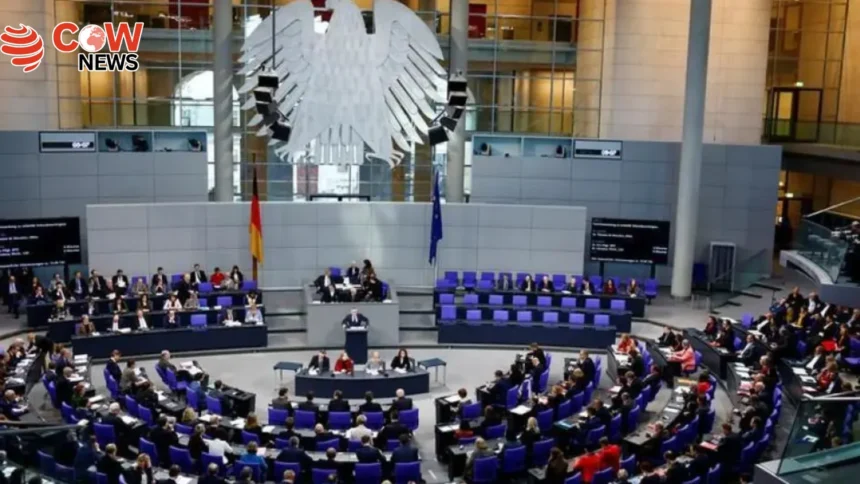
Berlin/Canberra/London(The COW News Digital) Germany and Australia are moving to implement media regulations closely aligned with those already established in the United Kingdom, signaling a growing international trend toward stricter oversight of news organizations and content dissemination. Observers note that the measures aim to address concerns over misinformation, media bias, and the influence of partisan reporting on public opinion.
In Germany, authorities are emphasizing transparency, accountability, and fairness in news reporting. New guidelines require media outlets to disclose ownership details, provide corrections for false reporting promptly, and adhere to ethical standards designed to minimize partisan influence. Officials argue that these steps are crucial for maintaining public trust and safeguarding democratic discourse in an era of rapid information sharing.
Australia, meanwhile, has introduced similar regulations focused on digital media platforms and traditional news broadcasters. The reforms aim to reduce the spread of misinformation, hold platforms accountable for harmful content, and ensure that public interest journalism is supported. Government representatives have stressed that these measures are not intended to stifle press freedom but to encourage responsible reporting practices.
Media analysts, however, point out that enforcing such regulations can be challenging. Outlets with strong partisan leanings may attempt to circumvent rules, and digital platforms operating internationally pose additional enforcement difficulties. Critics argue that regulatory frameworks must balance oversight with the protection of free expression to avoid overreach.
The move by Germany and Australia reflects a broader global trend, with governments seeking to regulate media environments without undermining journalistic independence. While the UK’s system has provided a reference model, each country is adapting regulations to its unique political and social context. Experts say that clear guidelines, coupled with monitoring and penalties for non-compliance, are essential for effective implementation.
As media consumption increasingly shifts online, governments worldwide are grappling with the challenge of maintaining ethical reporting standards while protecting freedom of speech. Germany and Australia’s adoption of UK-style rules marks a significant step in addressing these challenges, aiming to create a more transparent, accountable, and trustworthy media landscape.