

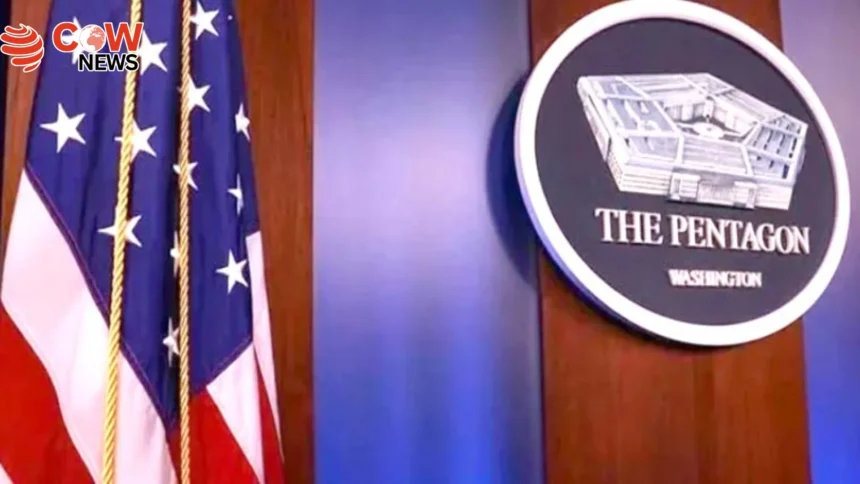
Washington(The COW News Digital) The Pentagon has reportedly given European nations a firm deadline to assume a larger role in NATO’s defense capabilities, signaling growing U.S. concern over Europe’s readiness to lead on security matters. According to sources familiar with a classified meeting in Washington, European diplomats have been told to take full responsibility for intelligence, missile systems, and other critical NATO functions by 2027.
The U.S. is seeking a stronger and more self-reliant European defense posture, particularly after the ongoing conflict in Ukraine exposed gaps in NATO’s collective capabilities. Washington has indicated that if Europe fails to meet this deadline, the United States may reduce its involvement in key NATO planning systems, raising questions about the alliance’s operational cohesion.
Read More:
- US Slams Palestine Recognition as Empty Symbolism
- Taliban Extend Internet Curbs, Trade Faces Major Hit
- Late-Night Dinners Linked to Higher Blood Sugar Risk
Officials noted that European nations have largely dismissed U.S. demands as unrealistic, highlighting ongoing debates about the pace and scope of defense modernization in the region. Despite decades of NATO integration, Europe has struggled to match U.S. expectations in areas such as advanced missile systems, intelligence sharing, and rapid deployment capabilities.
Analysts suggest that this warning reflects deeper strategic concerns in Washington, where policymakers fear that over-reliance on American military support could undermine Europe’s long-term security autonomy. “The U.S. is essentially urging Europe to step up before NATO faces critical capability gaps,” said one defense expert.
The Pentagon’s move also underscores the evolving security environment in Europe, shaped by tensions with Russia and the lingering impacts of the Ukraine war. European governments are now under pressure to accelerate defense spending, modernize military infrastructure, and improve coordination among member states.
While the announcement has sparked debate in Brussels, some officials acknowledge the need for greater European responsibility in NATO operations. “It is time for Europe to strengthen its defense capabilities and reduce dependency on the U.S. for critical security functions,” a European diplomat commented.
As the 2027 deadline approaches, both sides are expected to engage in high-level discussions to ensure that NATO remains a credible and effective military alliance. Failure to meet U.S. expectations could result in a partial recalibration of American involvement in NATO operations, potentially reshaping the strategic balance within the alliance.