

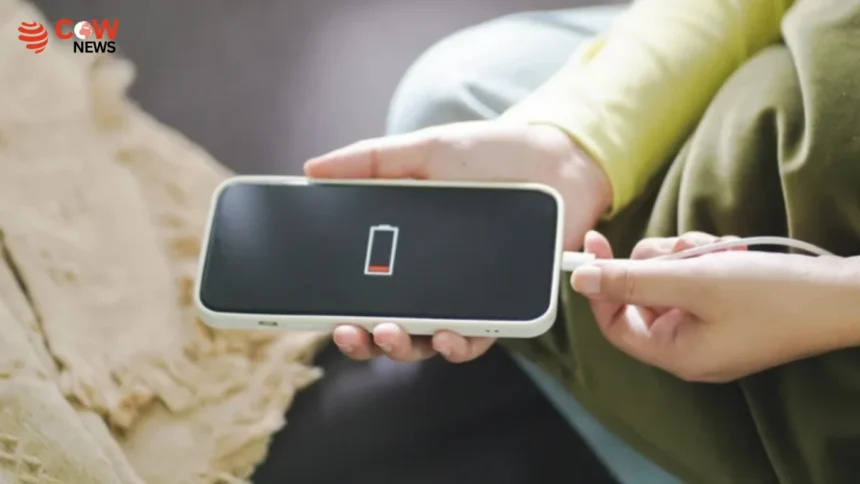
World ( The cow news digital ) Modern smartphones, including Android devices, rely on lithium-ion batteries that are designed for repeated charging cycles, but they can still degrade over time if not properly maintained. Experts warn that leaving a phone unused and uncharged for extended periods can lead to performance issues and even permanent battery damage.
Lithium-ion batteries, commonly used in Android smartphones, have a limited number of charging cycles, typically ranging from a few hundred to around a thousand cycles depending on the device and usage conditions. Once this cycle limit is reached, the battery’s capacity gradually decreases, affecting overall performance.
If a smartphone is left uncharged for a long time, especially after the battery has been completely drained, it may fail to power on when needed. In many cases, users discover that the battery has become completely unresponsive or “dead.” One of the most common outcomes of long-term disuse is battery swelling, a condition where the internal chemical reactions inside the battery cause it to expand.
Battery swelling occurs due to the breakdown of chemical components within the lithium-ion cell. When a device is stored for months without charging, the internal voltage can drop to a level that makes recovery difficult, increasing the risk of irreversible damage. Although a swollen battery may still function temporarily, it poses safety risks and usually requires immediate replacement.
On the other hand, keeping a phone constantly plugged in or charging it to full capacity every time can also contribute to long-term battery wear. This is because maintaining a battery at 100% charge for prolonged periods increases internal stress on the cells.
Technology experts recommend maintaining an optimal charging range between 20% and 80% to extend battery lifespan. They also advise users who store unused phones to charge them every few weeks to prevent deep discharge, which can permanently damage the battery.
If a phone does not turn on after a long period of disuse, the issue may not always be limited to the battery. Faulty charging cables, damaged charging ports, or internal hardware issues can also prevent proper charging.
Read more
- Pakistan, Taliban, and Afghanistan: The Complex Triangle of Influence
- Trump Hopes Iran Talks Succeed, Warns Against Midnight Hammer
In most cases, replacing the battery can restore functionality, but users are advised to seek professional service centers for diagnosis and repair rather than attempting fixes themselves.
Proper battery care not only improves device performance but also extends the overall life of smartphones, making regular maintenance an important part of modern device usage.