
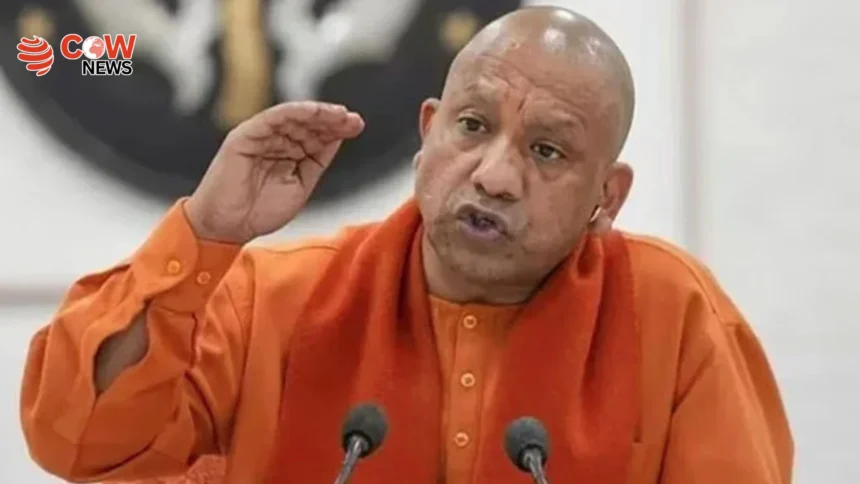
Uttar Pradesh Chief Minister Yogi Adityanath has stated that no one will be allowed to offer prayers on public roads in the state, reinforcing his government’s stance on regulating public spaces.
Speaking at a public event in Assam, the Chief Minister emphasized that strict measures are being enforced to ensure that roads and other public areas are not used for religious gatherings or activities that disrupt traffic and daily life. He said that no sound from places of worship would be permitted to cause public inconvenience.
Adityanath’s remarks come amid ongoing debates in India regarding the use of public spaces for religious practices. Authorities in Uttar Pradesh have previously taken actions against gatherings on roads, citing concerns over traffic congestion and public order.
During his address, he also reiterated his government’s position on illegal immigration issues, stating that efforts are underway to identify and address what he described as “infiltration” in certain regions. His comments were made in the context of political discussions in Assam, where election-related rhetoric has intensified.
The Chief Minister further asserted that strict enforcement policies would continue under his administration to maintain law and order across the state. He emphasized that public spaces must remain accessible and unobstructed for general use.
The statement has sparked political reactions across India, with supporters backing the move as a step toward maintaining public discipline, while critics argue that such policies may disproportionately affect minority communities.
read more
In recent years, Uttar Pradesh has seen several administrative actions aimed at regulating public gatherings, including restrictions on street-based religious activities. These measures have often generated national debate over religious freedom and civic management.
Observers note that such statements tend to gain prominence in the run-up to elections, as political leaders address sensitive social and religious issues that resonate with their voter base.
As discussions continue, the situation remains politically charged, with differing interpretations of public order, constitutional rights, and religious expression shaping the national discourse.