
Tehran (The COW News Digital) Iran has declared that it has no hostility towards Gulf countries or other regional neighbours, expressing support for cooperation aimed at establishing lasting security across the Middle East. However, Tehran has warned that it will respond if foreign territories or military installations are used to threaten its sovereignty or the safety of its citizens.
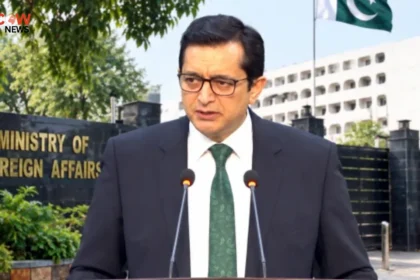
Iranian Foreign Ministry spokesperson Esmaeil Baghaei said some Gulf nations had placed excessive reliance on the United States’ military presence in the region. He also alleged that certain countries were actively cooperating with Washington amid the ongoing conflict.
Baghaei stressed that Iran expects neighbouring states to prevent their territories and facilities from being used for military operations against the Islamic Republic.
He said regional stability would require mutual understanding, respect for national sovereignty and confidence-building measures between all countries.
The Iranian spokesperson emphasised that Tehran does not seek confrontation with its Gulf neighbours. Instead, he said, the country supports efforts to establish sustainable regional security through cooperation.
Baghaei’s remarks come amid heightened tensions involving Iran, the United States and Israel, with diplomatic efforts continuing to find a way to end the conflict.
He warned that allowing foreign military forces to use regional territories against Iran could undermine relations between neighbouring countries and further destabilise the Middle East.
According to the spokesperson, confidence-building measures must be reciprocal, with all countries taking the concerns of their neighbours seriously.
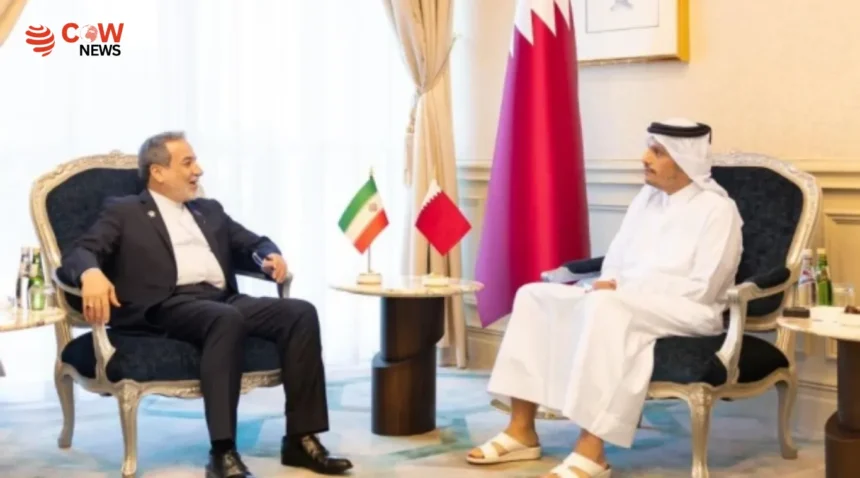
Separately, Iran’s negotiating delegation departed Doha on Sunday following three days of discussions with mediators in Qatar.
According to Reuters, a regional official familiar with the talks said the delegation’s departure was not caused by any disagreement or difficulty during the negotiations.
The discussions reportedly focused on diplomatic efforts to reach an agreement aimed at ending the ongoing US-Israeli war against Iran.
Qatar has been playing a significant role in facilitating diplomatic contacts and efforts to reduce tensions between the parties involved in the conflict.
The departure of the Iranian delegation does not necessarily indicate that negotiations have ended, as diplomatic consultations may continue through other channels.
The diplomatic developments are taking place amid concerns that the conflict could intensify following the US midterm elections scheduled for November 3.
Regional observers have expressed concern that renewed military operations could further complicate diplomatic efforts and increase instability across the Middle East.
The Gulf region remains strategically important because of its energy infrastructure, international shipping routes and economic connections with global markets.
Any further escalation could have wider implications for regional security, oil supplies and international trade.
ran’s statements regarding its Gulf neighbours and the negotiations in Doha highlight the continuing importance of diplomatic engagement.
Tehran has reiterated its position that regional countries should not allow their territories to become platforms for military action against Iran.
Meanwhile, the discussions in Qatar reflect ongoing efforts to explore a negotiated settlement to the conflict.
Although significant challenges remain, diplomatic contacts could provide an opportunity to reduce tensions and prevent further escalation.
The situation remains uncertain, with regional governments and international observers closely monitoring developments.