World ( The cow news digital ) A former senior U.S. counterterrorism official has welcomed the recent understanding between the United States and Iran, describing it as a positive step toward reducing long-standing tensions in the Middle East, while cautioning that the durability of any peace arrangement will depend on broader regional restraint.
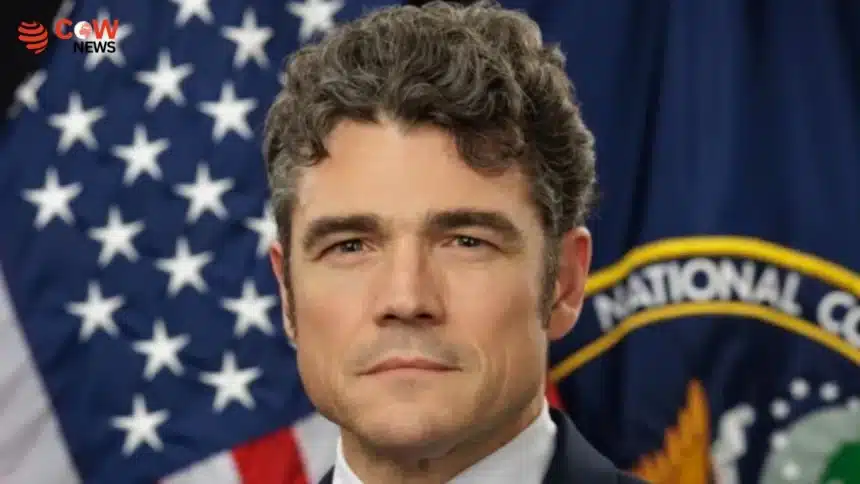
Joe Kent, former Director of the U.S. National Counterterrorism Center, expressed optimism over what he described as renewed diplomatic momentum aimed at ending years of confrontation. Speaking through social media, he praised efforts attributed to former President Donald Trump for pushing toward de-escalation and ending active conflict.
“It is a very positive development that efforts are being made to end the war. I hope this peace holds,” Kent stated, underscoring his support for diplomatic engagement between Washington and Tehran.
However, Kent also issued a pointed warning regarding the conditions necessary for long-term stability. He emphasized that any agreement between the United States and Iran would only succeed if all regional actors exercise restraint and prioritize de-escalation over military confrontation.
According to Kent, one of the critical factors influencing the sustainability of the agreement is the role of Israel’s military posture in the region. He suggested that limiting military operations could be essential to preventing renewed escalation and maintaining diplomatic progress.
His remarks come amid heightened debate in Washington policy circles over how regional allies and adversaries alike can be integrated into a broader framework for Middle East stability. Analysts note that differing strategic priorities among stakeholders continue to complicate efforts to achieve a comprehensive and lasting peace arrangement.
Kent’s comments also reflect a wider divide among former U.S. officials and policymakers, some of whom support diplomatic engagement with Iran, while others advocate continued pressure and deterrence-based strategies.
Reports indicate that Kent resigned from his post in March 2026 following disagreements over U.S. and Israeli policy approaches toward Iran, highlighting internal divisions within security and policy institutions regarding the best path forward.
Read more
- Pakistan, Taliban, and Afghanistan: The Complex Triangle of Influence
- China Urges Global Support for Sustainable Sudan Solution
Political observers argue that the emerging U.S.-Iran understanding could mark a turning point in regional diplomacy, but only if accompanied by coordinated efforts to reduce military tensions across all involved parties.
As negotiations continue to evolve, the international community remains closely watchful, with hopes that sustained dialogue may prevent further escalation in an already volatile region.