

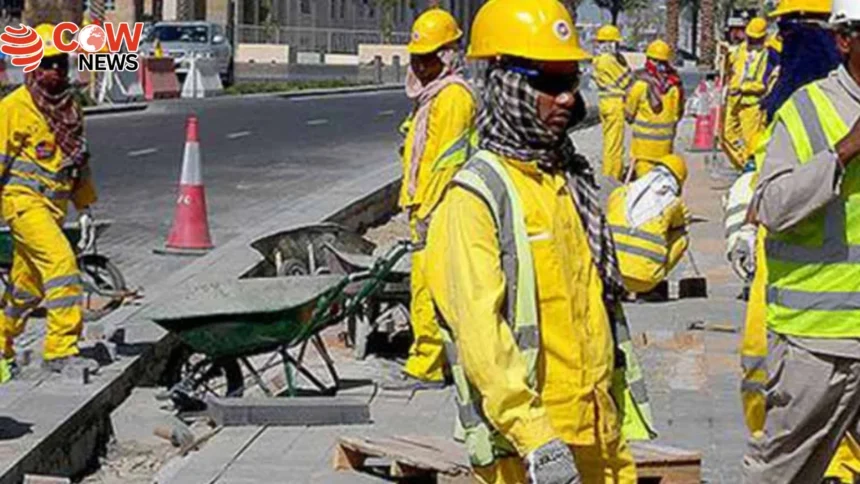
Gulf (The COW News Digital)Gulf countries are expected to require over 1.5 million additional workers by 2030, according to reports from global and regional organizations. The anticipated demand is driven by ambitious development projects and expanding economic sectors, offering significant employment opportunities for both local and foreign labor.
In the United Arab Emirates, the workforce is projected to grow by nearly 12 percent by 2030. Key sectors such as tourism, real estate, information technology, renewable energy, healthcare, and construction are witnessing rapid expansion. This growth is fueling a rising demand for skilled and semi-skilled labor, creating new avenues for job seekers from abroad.
Read More:
- US Slams Palestine Recognition as Empty Symbolism
- Trump Threatens Kabul Over Bagram Airbase Control
- Late-Night Dinners Linked to Higher Blood Sugar Risk
Similarly, Saudi Arabia is implementing large-scale development initiatives under its Vision 2030 plan. Projects like Neom City, the Red Sea Development, major infrastructure projects, and industrial zones are expected to increase labor requirements by approximately 11 percent. These projects will generate demand across construction, engineering, transportation, energy, and service sectors, creating a surge in opportunities for workers from across the region.
Gulf states are also introducing reforms to attract foreign talent, including relaxed labor policies, modern visa systems, and long-term residency options. Analysts note that these measures are aimed at drawing a skilled workforce from countries such as Pakistan, India, Bangladesh, and other Asian nations, providing a golden opportunity for professionals and laborers seeking international employment.
Economic experts emphasize that investing in workforce training and skill development can maximize the benefits of these opportunities. Not only will it increase employment rates, but it can also significantly boost remittances sent back to workers’ home countries. Skilled labor in high-demand sectors will be particularly valuable as Gulf economies diversify beyond oil and expand into tourism, technology, and renewable energy.
The expected labor demand reflects the Gulf region’s broader strategy to accelerate economic growth, modernize infrastructure, and enhance global competitiveness. Governments are actively seeking ways to match workforce capabilities with project requirements, ensuring that both expatriates and local workers can contribute effectively to ongoing and upcoming initiatives.
For job seekers from South Asia and other regions, the coming decade presents a historic window to access high-demand sectors and gain international experience, while contributing to the rapid transformation of the Gulf economies.