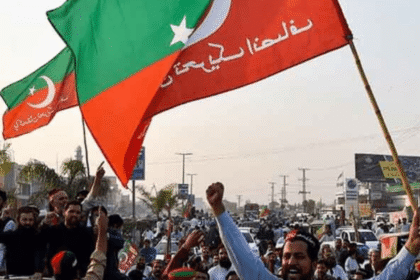


Iran(The COW News Digital)Violent protests across Iran have entered their sixth consecutive day, driven by a sharp fall in the national currency and soaring inflation that has placed intense pressure on daily life. Demonstrations continue in the capital Tehran and several other cities, prompting authorities to shut down schools, universities, and government offices in multiple provinces.
The current wave of unrest reportedly began with strikes and protests by shopkeepers, angered by the rapid depreciation of the Iranian rial against the US dollar. As prices of basic goods continue to rise, frustration has spilled onto the streets, turning economic grievances into widespread public demonstrations.
Read More:
- Asia Cup 2025 Super Four Tickets at Shocking Prices
- Taliban Extend Internet Curbs, Trade Faces Major Hit
- Taliban Extend Internet Curbs, Trade Faces Major Hit
According to reports from international media, clashes between protesters and Iranian security forces have intensified in several locations. At least six protesters and one police officer have been reported killed so far, while dozens of police personnel were injured after demonstrators allegedly pelted security forces with stones. Protests have been confirmed in Tehran, Fars province, Marvdasht, and Lordegan, indicating that the unrest is not confined to a single region.
The most severe confrontations are said to have taken place in the city of Azna, located in Lorestan province, approximately 300 kilometers southwest of Tehran. Witnesses and media reports describe heavy security deployment in the area as authorities attempt to regain control amid escalating tensions.
In response to the growing unrest, Iranian officials have ordered the temporary closure of educational institutions and government offices in several provinces, citing security concerns. These measures reflect the seriousness with which authorities view the situation, as protests show no clear signs of slowing.
International attention has also focused on the developments. The protests are being described by global broadcasters as the largest since the 2022 demonstrations that followed the death of Mahsa Amini while in custody, an event that triggered nationwide outrage at the time.
Meanwhile, former US President Donald Trump has issued a warning, stating that the United States would intervene to protect peaceful protesters if violence against them continues. The statement drew a strong reaction from Tehran. Ali Larijani, an adviser to Iran’s Supreme Leader Ayatollah Ali Khamenei, rejected any foreign involvement, calling US interference an attempt to destabilize the region.
Larijani further warned that any external hand threatening Iran’s security would be met with a decisive response. As economic pressures deepen and political rhetoric intensifies, the situation in Iran remains volatile, with the coming days likely to be critical for both domestic stability and regional diplomacy.