
Washington(The COW News Digital)Iranian officials expressed cautious optimism ahead of renewed nuclear negotiations with the United States set to resume Thursday in Geneva, even as Washington continues a significant military buildup in the Middle East.
Speaking to CBS News, Iran’s Foreign Minister Abbas Araghchi said technical details of a potential agreement were being drafted before talks restart. His remarks came after US envoy Steve Witkoff questioned publicly why Tehran had not yet “capitulated” under mounting pressure.
Read More:
Oman’s foreign minister Badr Albusaidi confirmed that discussions would resume in Geneva, saying mediators were working to push both sides toward finalizing a deal.
Tensions have intensified in recent months, particularly after widespread protests erupted across Iran. Human rights groups claim thousands were killed during the government’s crackdown. On Sunday, rival student demonstrations took place in Tehran, with anti-government protesters risking arrest.
“If the US attacks us, we have every right to defend ourselves,” Araghchi warned, suggesting American regional interests could become targets. Nevertheless, he emphasized that diplomacy remains possible.
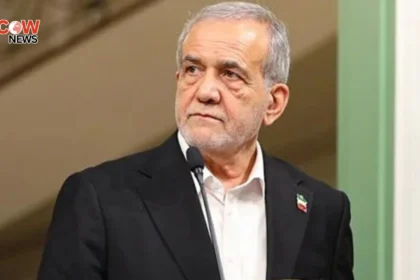
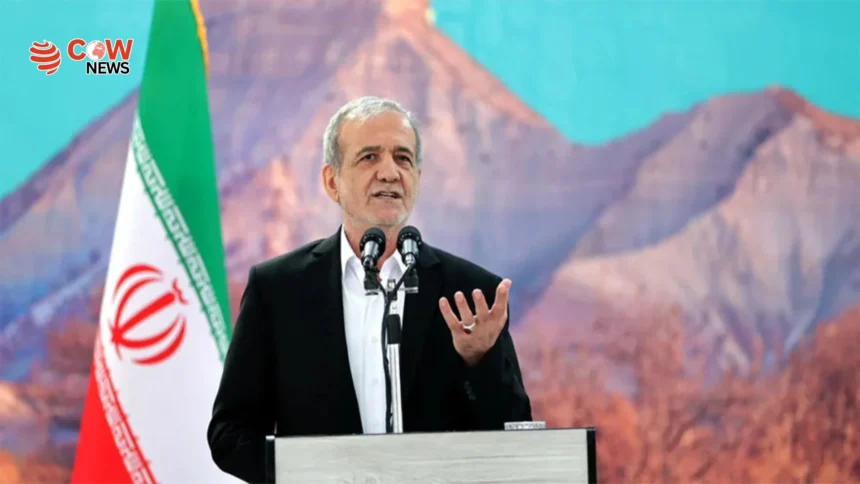
Iran’s President Masoud Pezeshkian also described earlier negotiations as encouraging, noting that Tehran is preparing a draft proposal aimed at preventing military confrontation.
According to Axios, US officials signaled readiness to begin detailed negotiations if Iran submits its proposal promptly.
Meanwhile, the United States has deployed two aircraft carriers and reinforced air defenses in the region, underscoring its warnings of potential military action. Former President Donald Trump questioned why Iran had not yielded to pressure, reiterating concerns over Tehran’s nuclear ambitions.
Western governments remain skeptical of Iran’s nuclear program, fearing it could lead to weapon development—an allegation Tehran denies, maintaining its enrichment activities are for civilian purposes.
Public anxiety within Iran continues to grow. Some citizens fear war is increasingly likely, prompting several countries, including Sweden, Poland, Serbia, and Australia, to advise their nationals to leave Iran.
As diplomatic efforts continue, the outcome of the Geneva talks may determine whether the crisis moves toward compromise—or confrontation.